The Year’s Two Largest Conjugate Deals Were Not ADCs, and Not Cancer Drugs
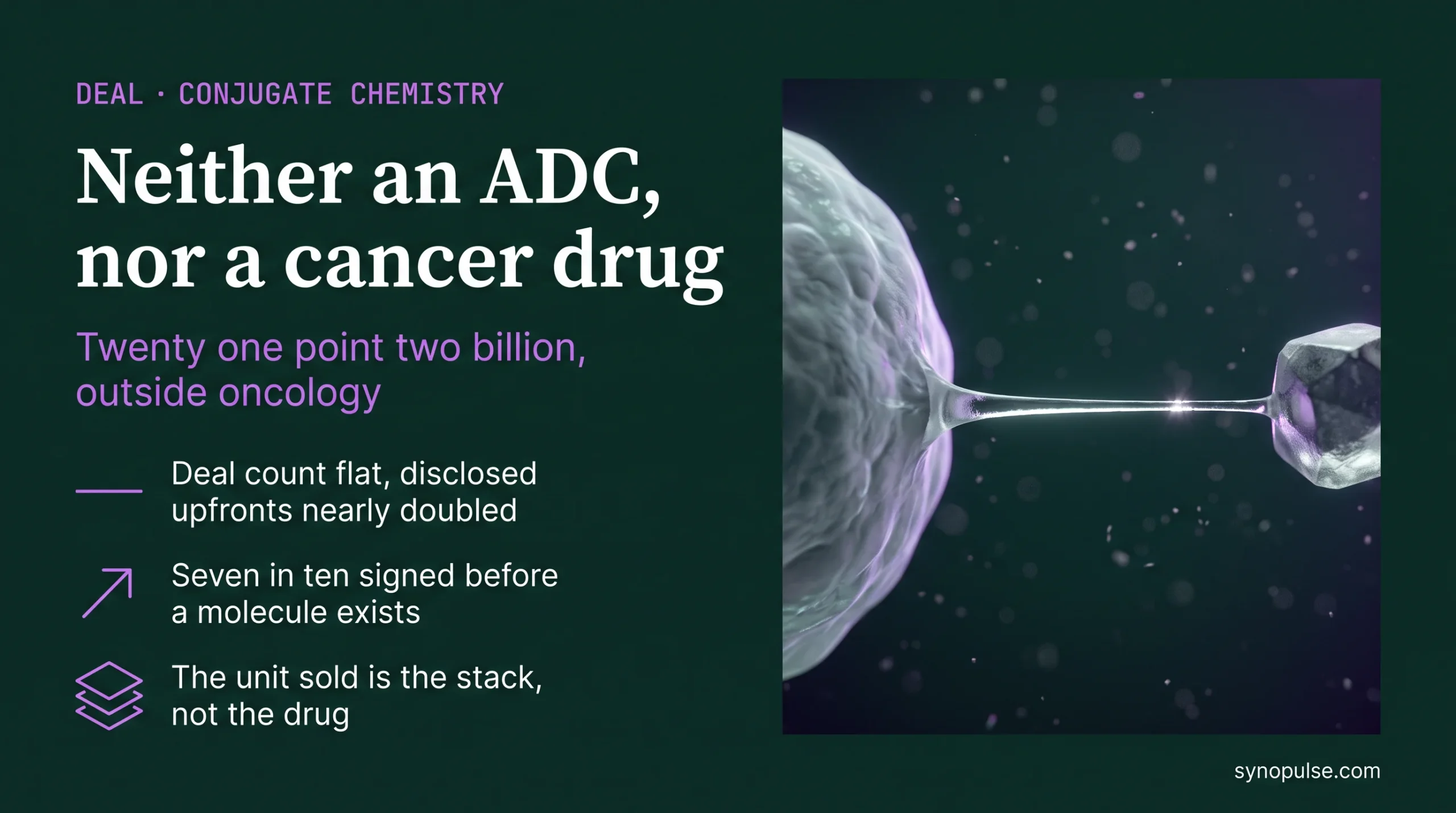
Buyers stopped paying for conjugate drugs and started paying for conjugate chemistry. The year’s two biggest cheques bought neither an ADC nor a cancer drug.

Buyers stopped paying for conjugate drugs and started paying for conjugate chemistry. The year’s two biggest cheques bought neither an ADC nor a cancer drug.
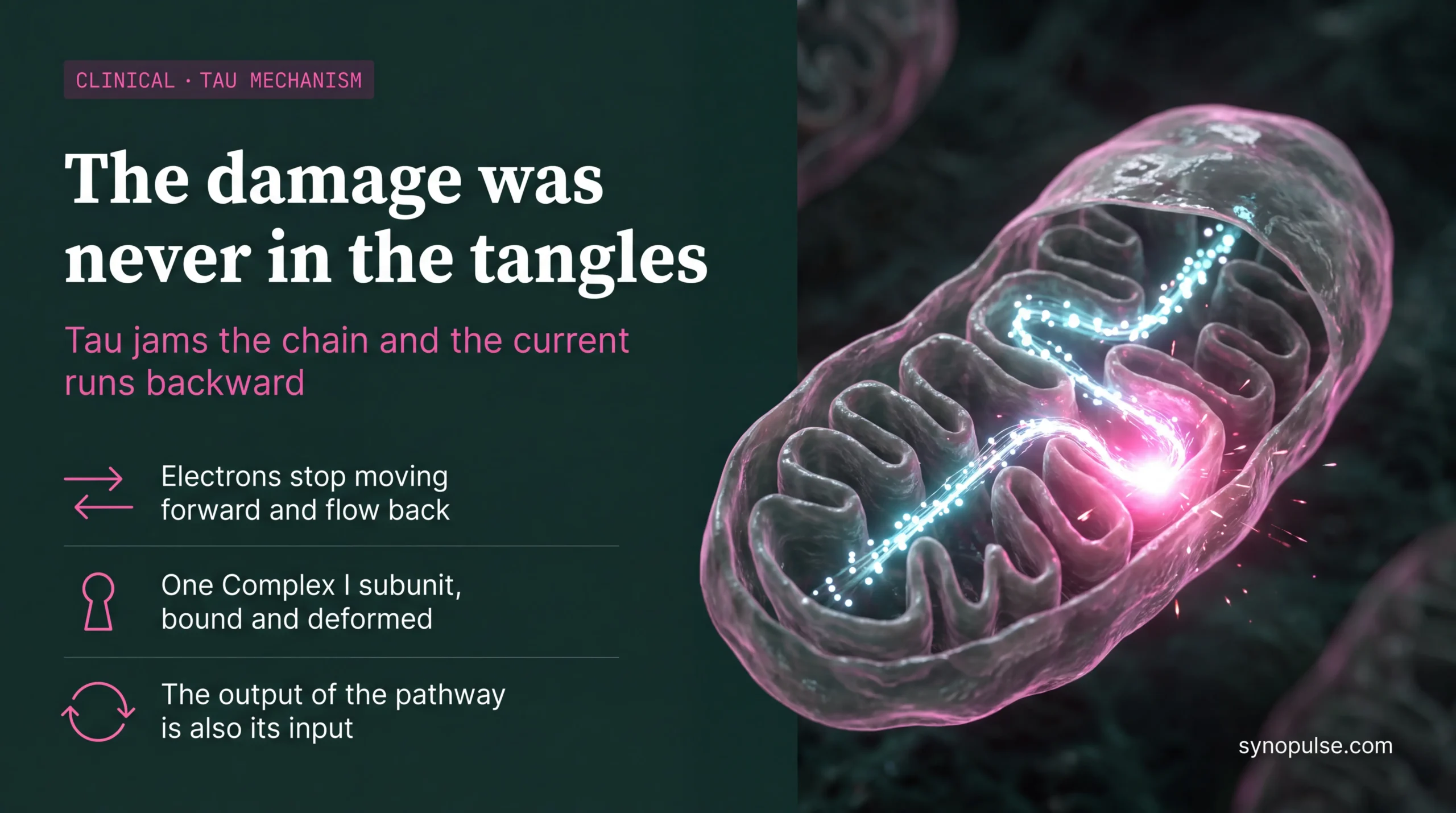
Tau does its damage inside mitochondria, independent of tangles and microtubules. The field’s imaging toolkit was built to see neither.
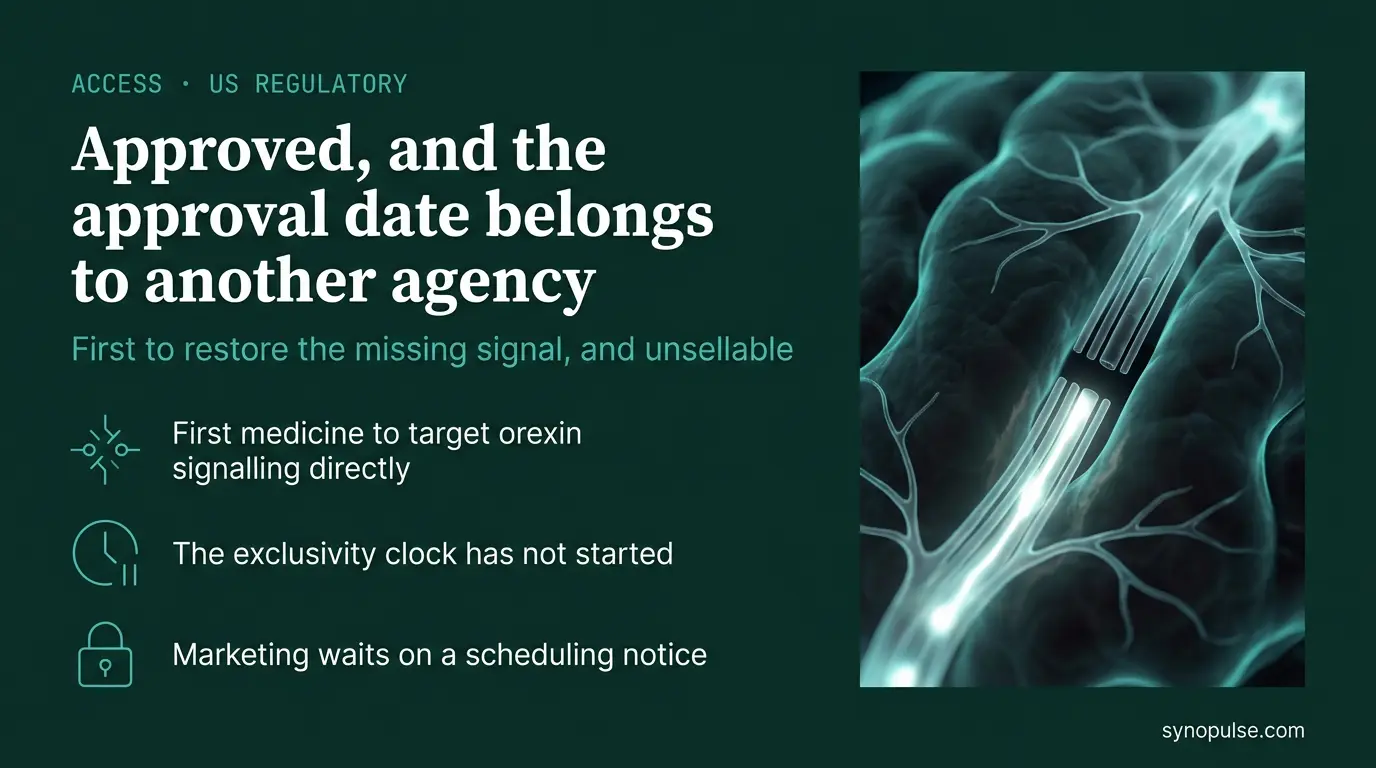
FDA’s letter says the approval date is whenever the DEA publishes scheduling. Takeda holds a first-in-class approval it cannot sell yet.
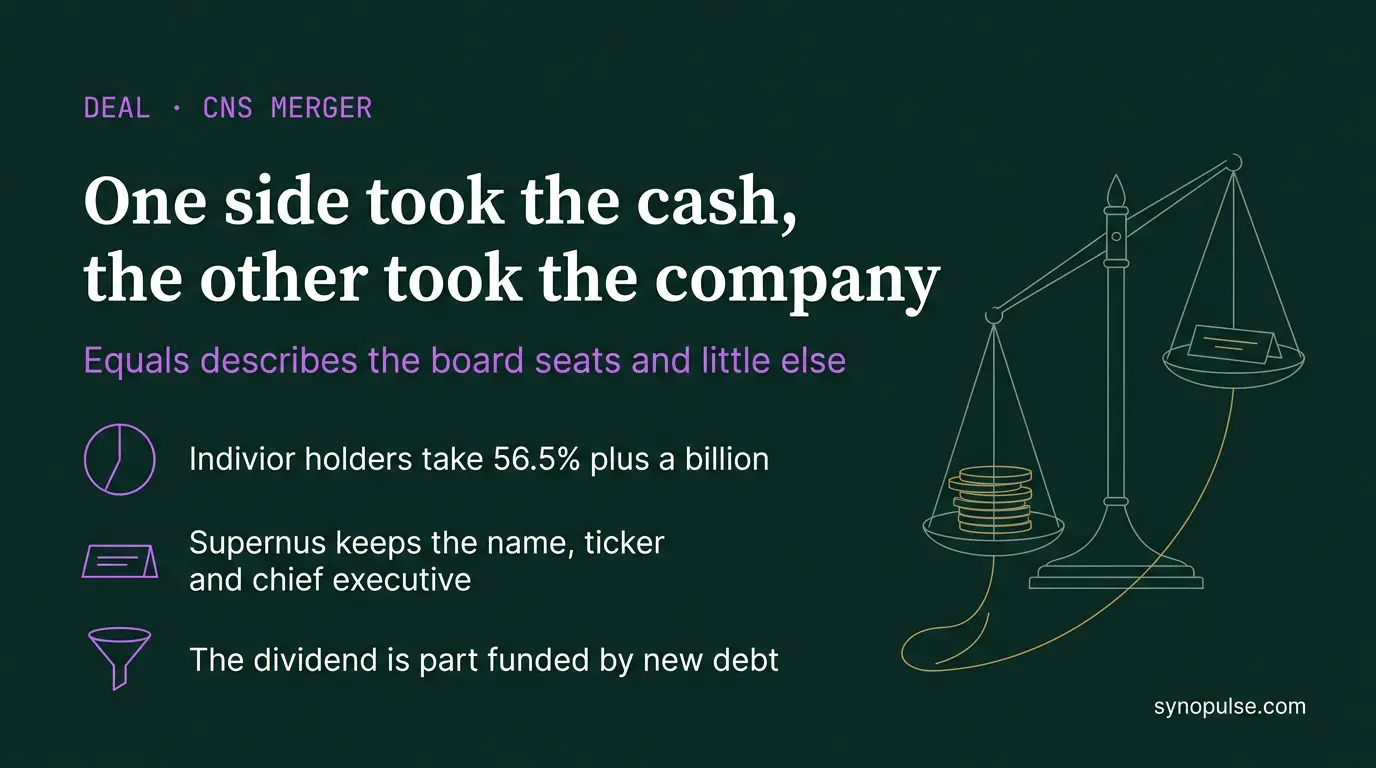
Indivior holders take 56.5% and a billion in cash. Supernus takes the name, the CEO and the building. Equals describes the board seats only.
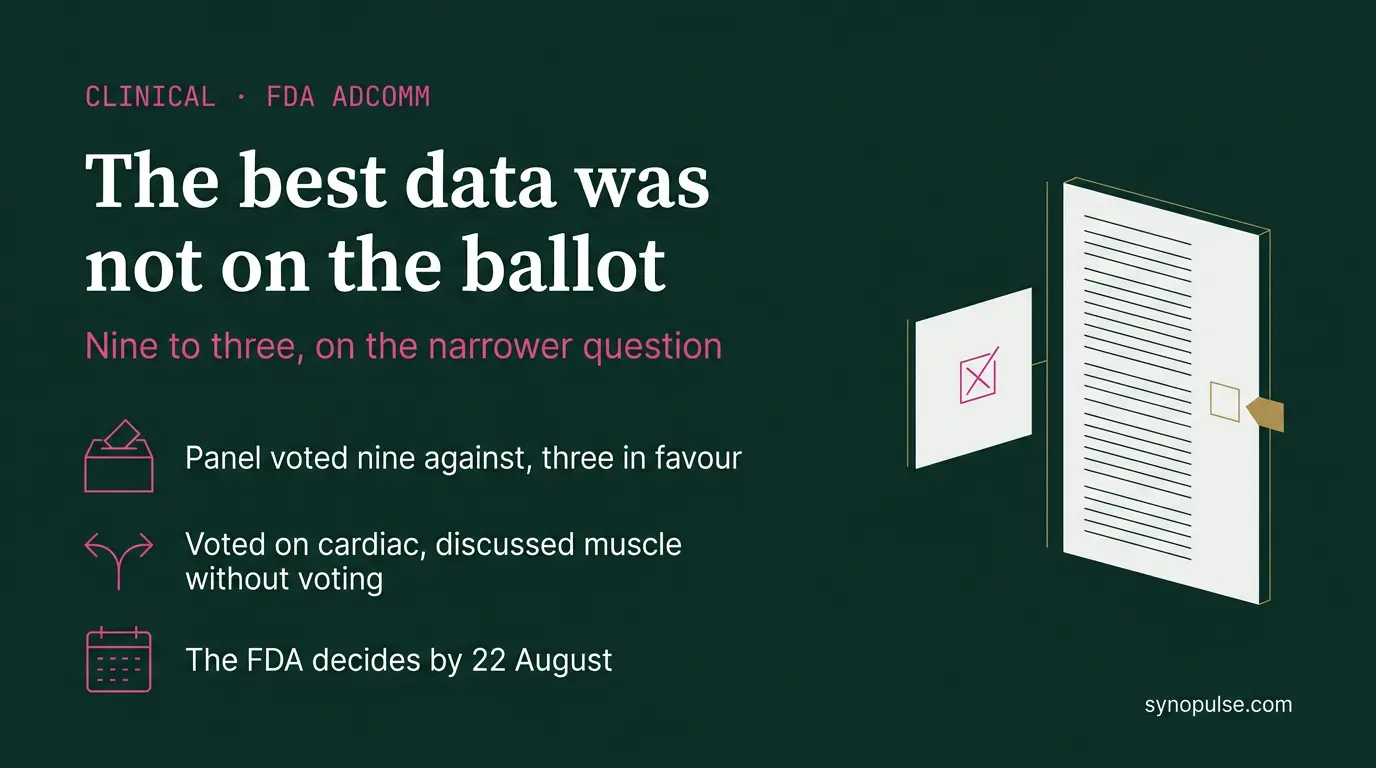
The ballot was the outcome. A drug’s strongest dataset sitting off the voting question is not a footnote, it is the whole result.
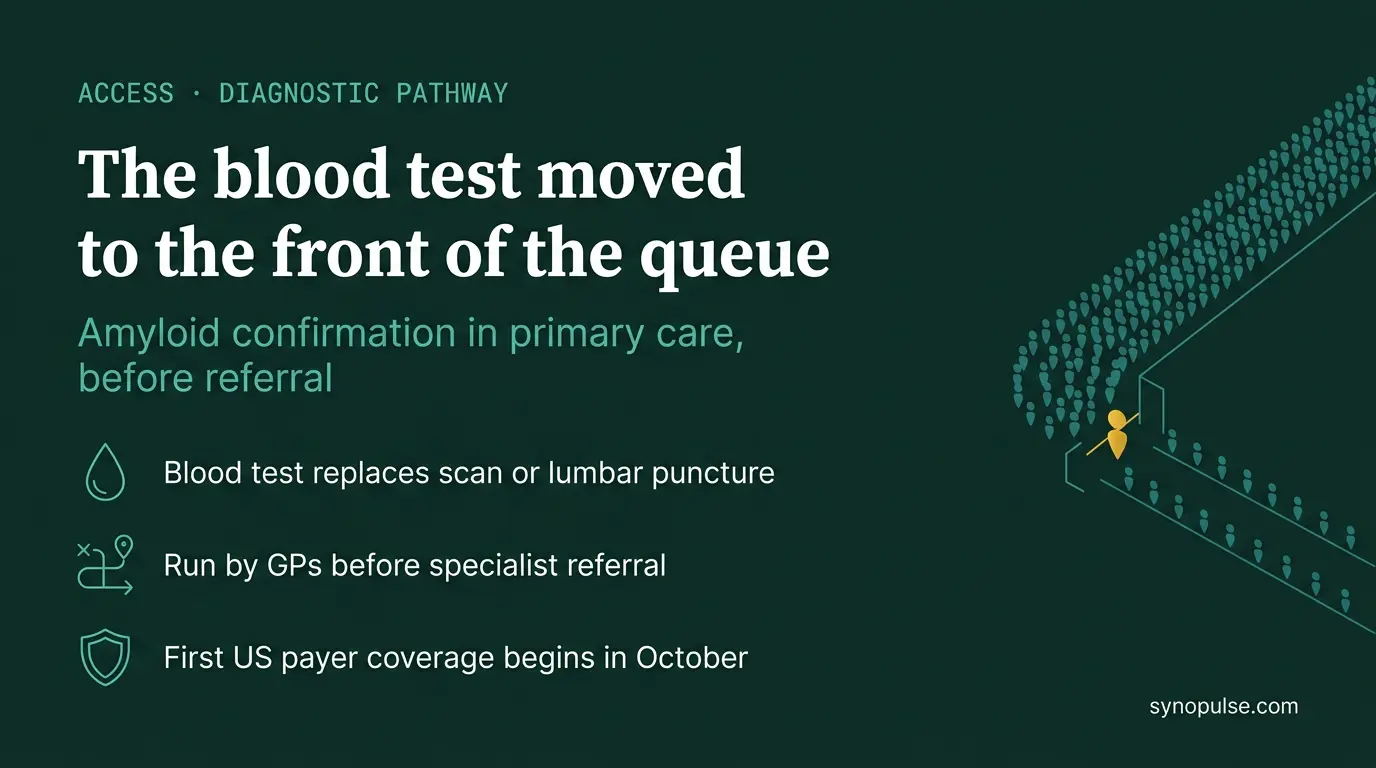
GPs in North West London are running C2N’s Alzheimer’s blood test before referral, testing whether accurate amyloid detection works in primary care.
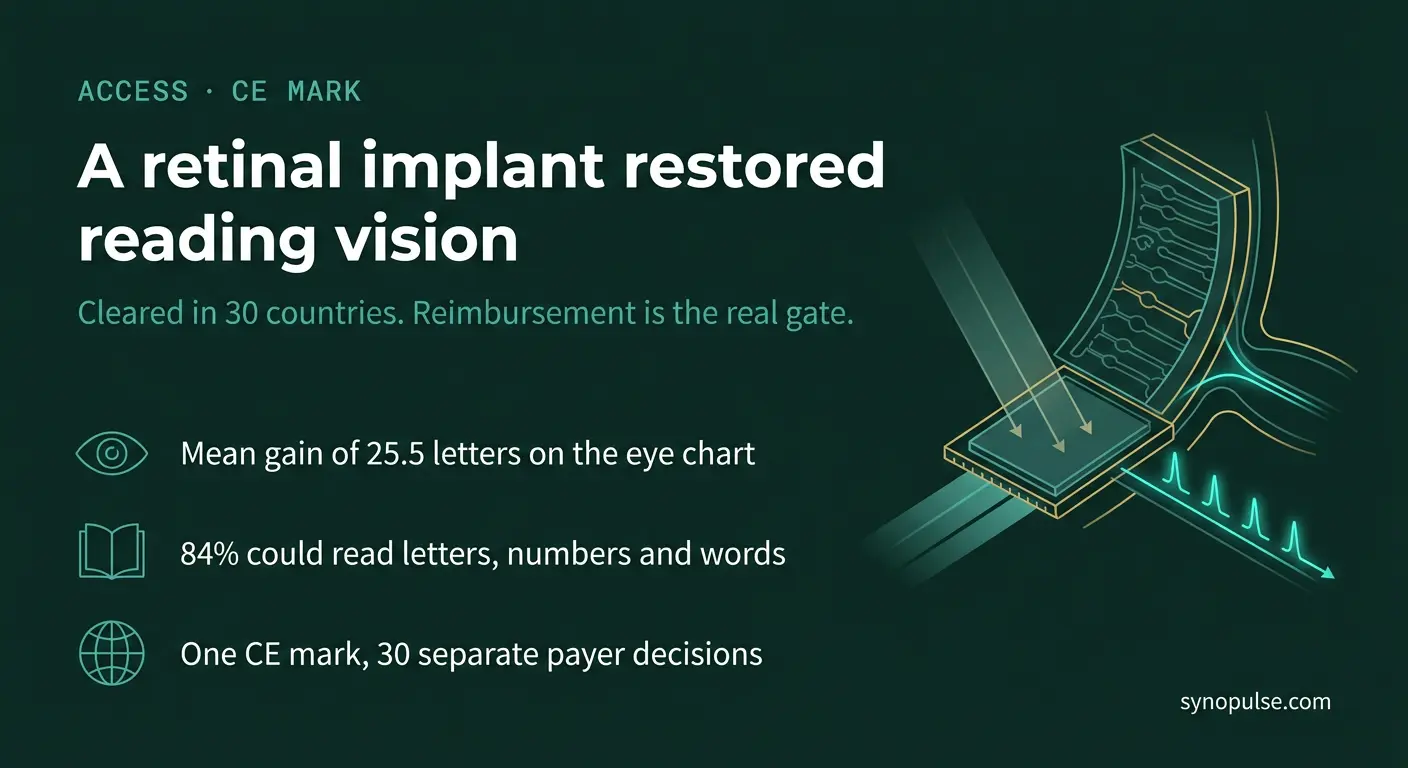
Science Corp’s retinal implant won a CE mark for sale across 30 European countries, after trial patients gained a mean 25.5 letters of visual acuity.

ABILITY Neurotech recorded human neural data for the first time during tumour surgery in Munich, its first step toward a long-term implantable brain-computer interface.

The only FDA-cleared non-drug treatment for pediatric ADHD launched its second generation into a 1,500-family waitlist, with reimbursement still the open question.
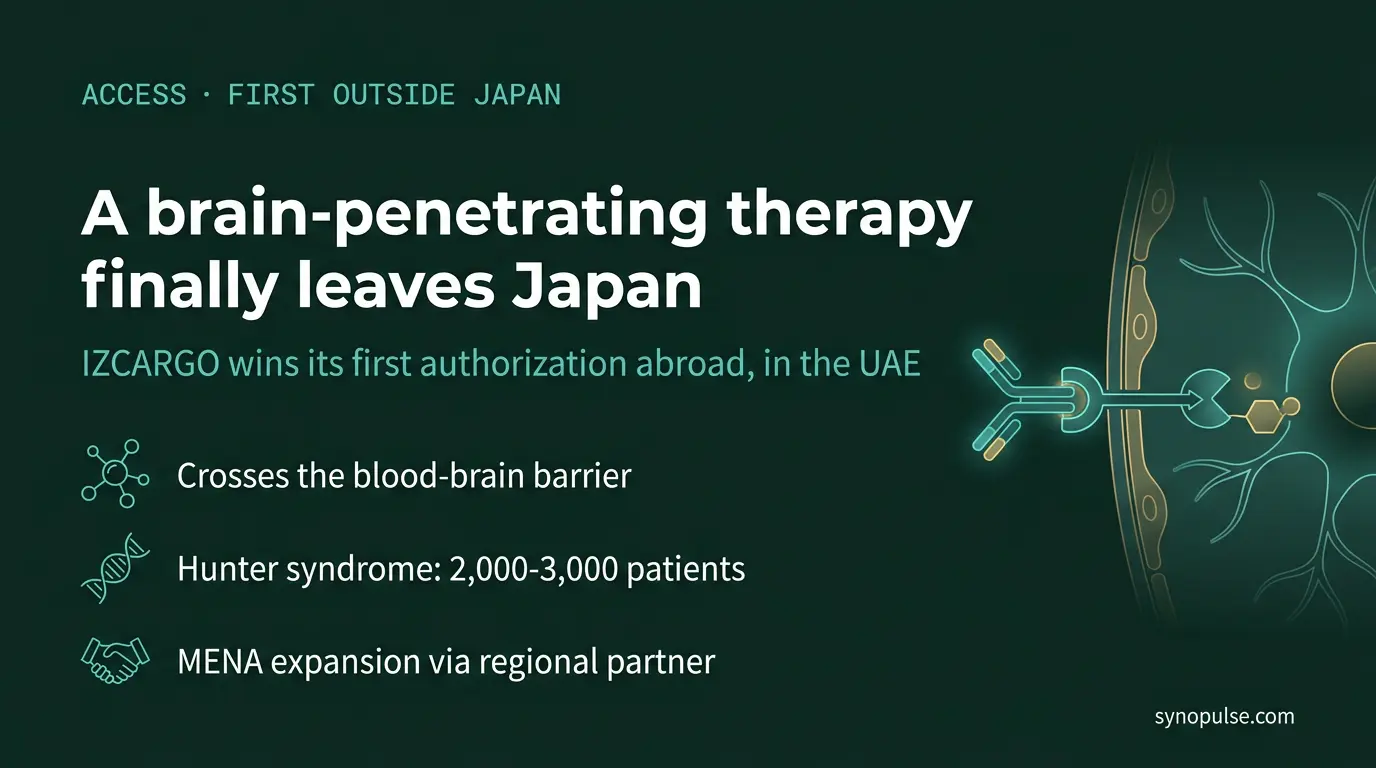
IZCARGO, a therapy engineered to cross the blood-brain barrier, won its first marketing authorization outside Japan five years after launching there.