Pharmac Will Fund Any Medicine for Young People With Paediatric-Origin Cancers, About 15 a Year

The numbers are small, but the rule is unusual: New Zealand funds by tumour type and protocol rather than product by product.

The numbers are small, but the rule is unusual: New Zealand funds by tumour type and protocol rather than product by product.
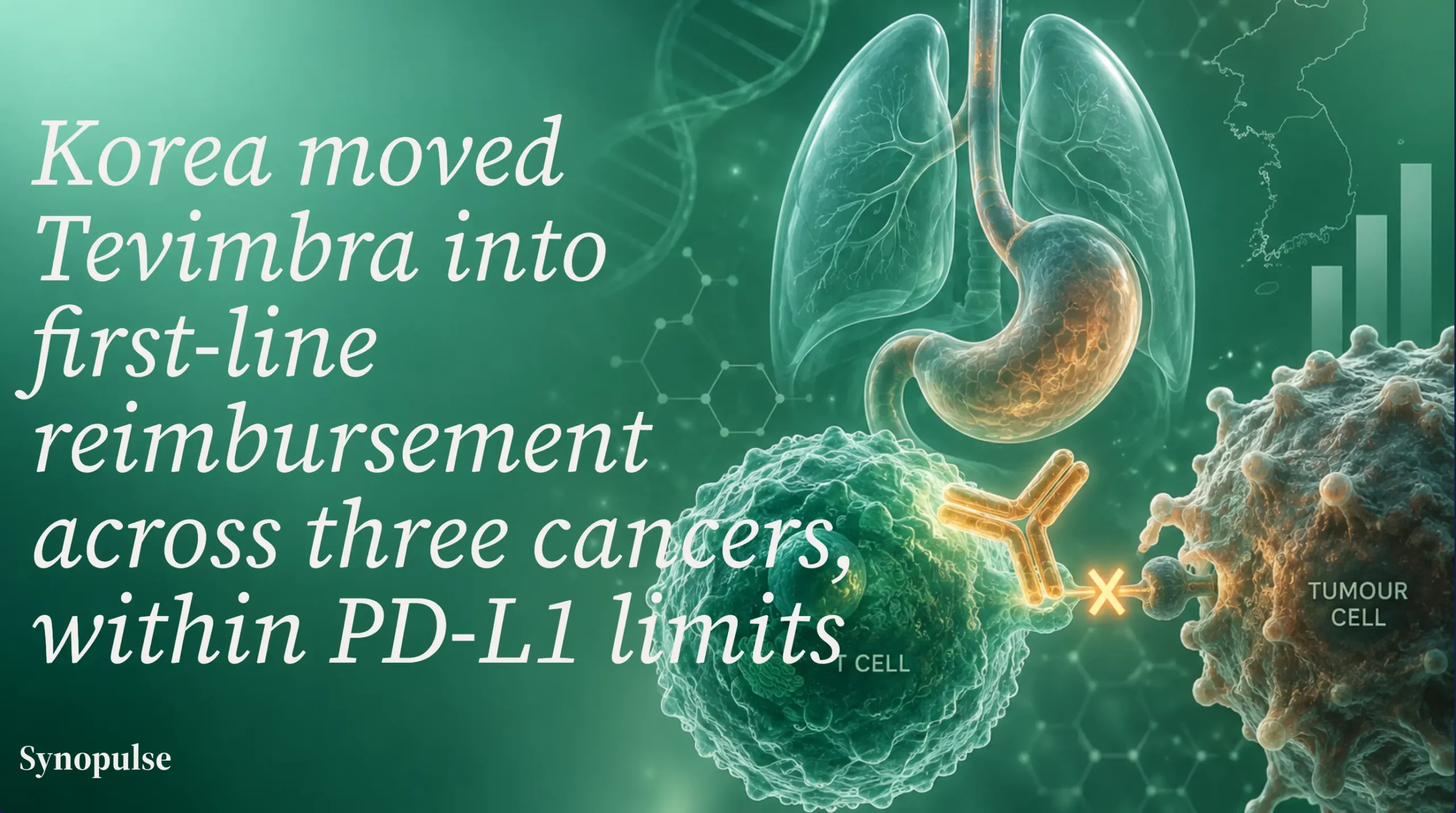
One reimbursement decision moved a second-line PD-1 into first line across three common cancers, inside biomarker limits.
Sanofi is paying to keep Dupixent’s next generation in the partnership, and the deal also closes a lawsuit between them.
A general subsidy in both settings is a clean result for Roche’s subcutaneous strategy, landing before pertuzumab biosimilars.
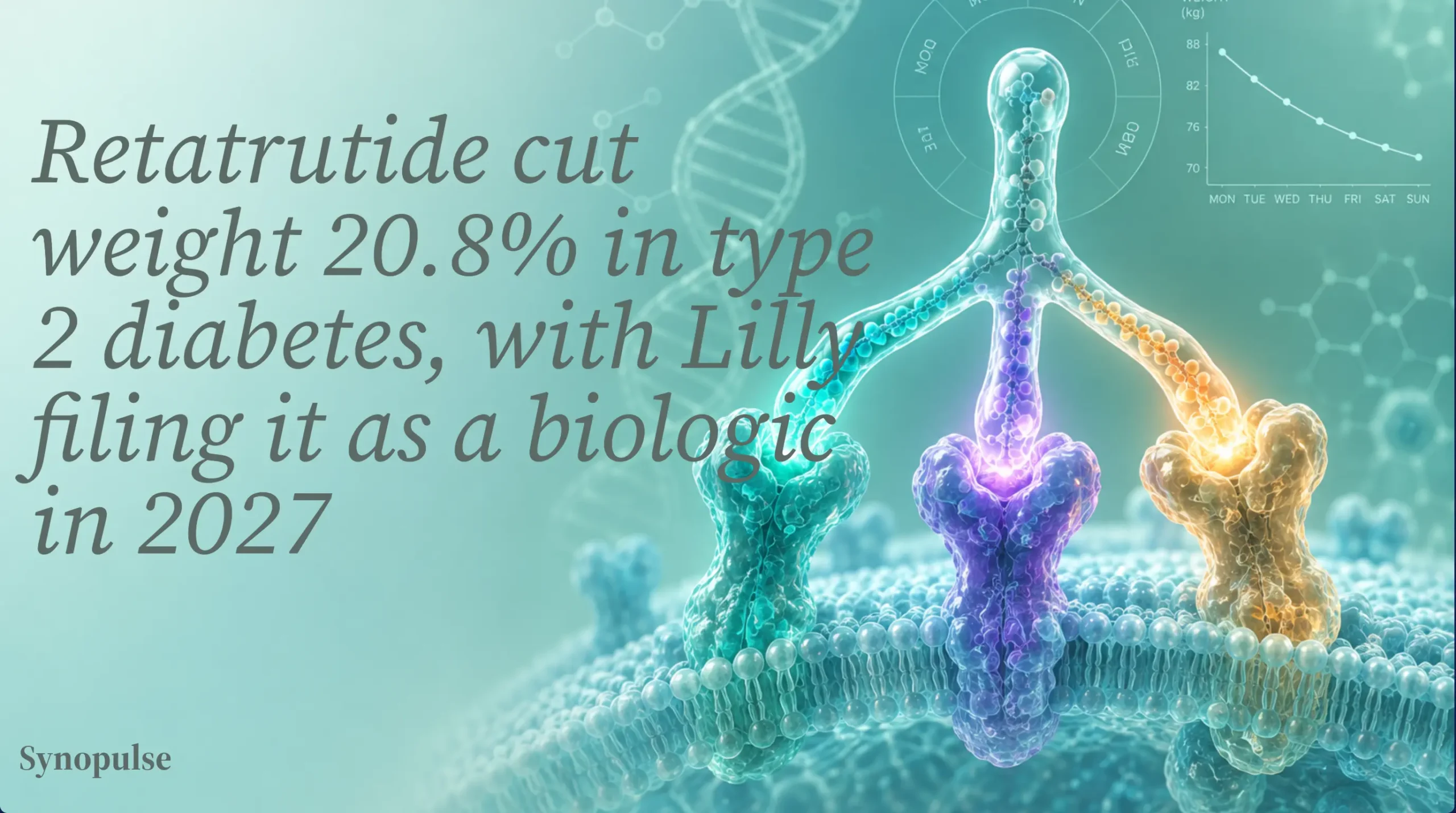
The efficacy is the headline. The filing route and a sensory side effect are the details that will shape the label.

Approvals market by market, and data built to shape the comparison with a Novo dose that has not launched.
Novo paid a clean, large upfront for a once-weekly pill whose convenience advantage it cannot yet prove in people.

AstraZeneca bought access to ivonescimab, not rights, and paid a premium to sit next to the drug that beat Imfinzi.
The label reaches frontline CLL, but against a modern BTK inhibitor the evidence so far is a response rate.
AbbVie now has to name a price for Juvmo into a benchmark that ICER set before the drug was even approved.