The UK Commission Wants L-Plates for AI and an End to One-Time Approval

Coverage is calling these new AI rules. What they propose is replacing the single approval decision with supervised entry and permanent monitoring.

Coverage is calling these new AI rules. What they propose is replacing the single approval decision with supervised entry and permanent monitoring.

The clinical case was settled before the regulatory one. Clinicians held an NCCN recommendation with no lawful product to act on it.
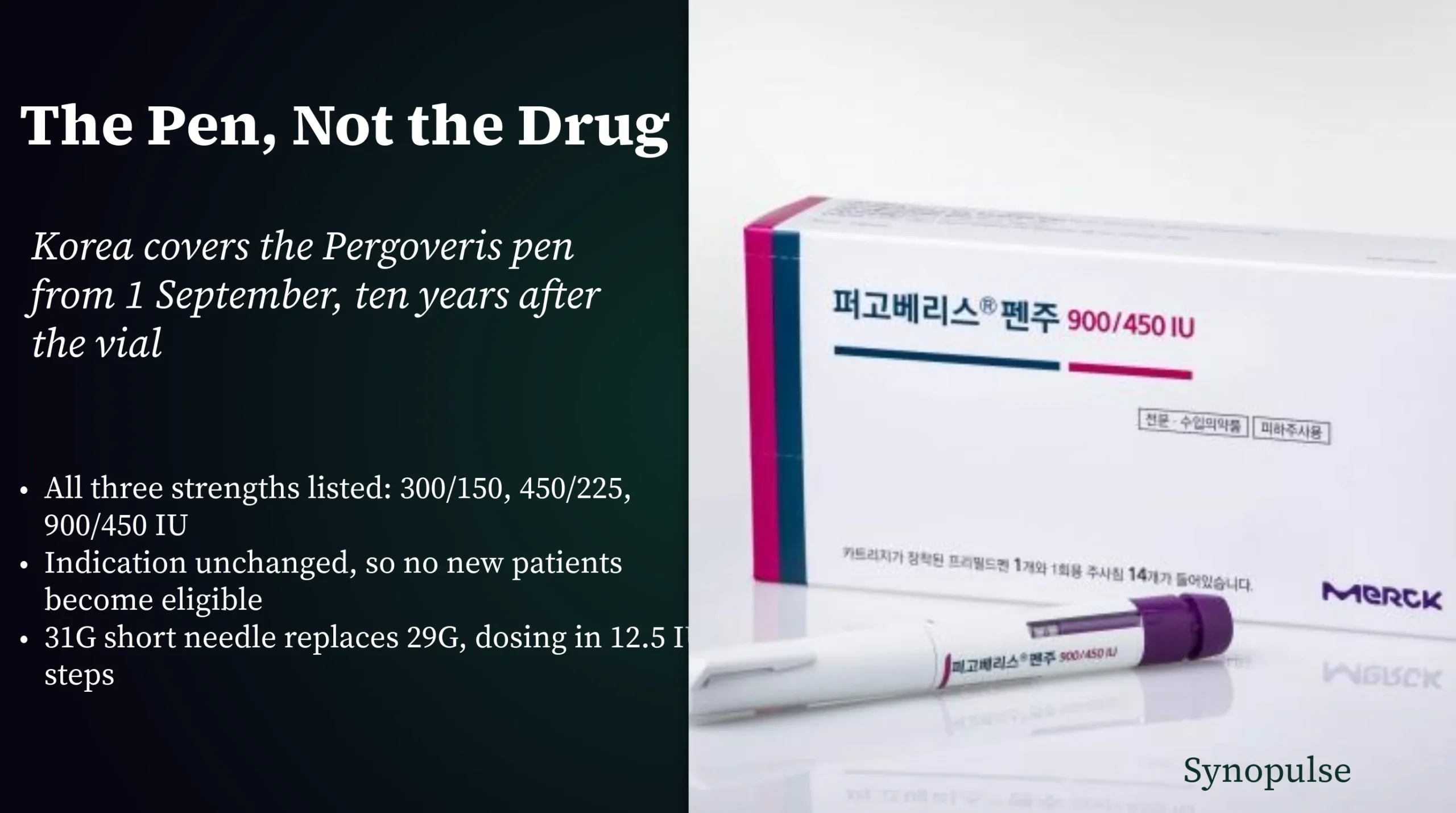
This is a device listing, not an eligibility expansion. The indication is unchanged, and the criteria were relaxed back in April 2025.

Four words carry the news: follows a reconsideration. CDA-AMC reached a different conclusion first, and neither release says what it was.
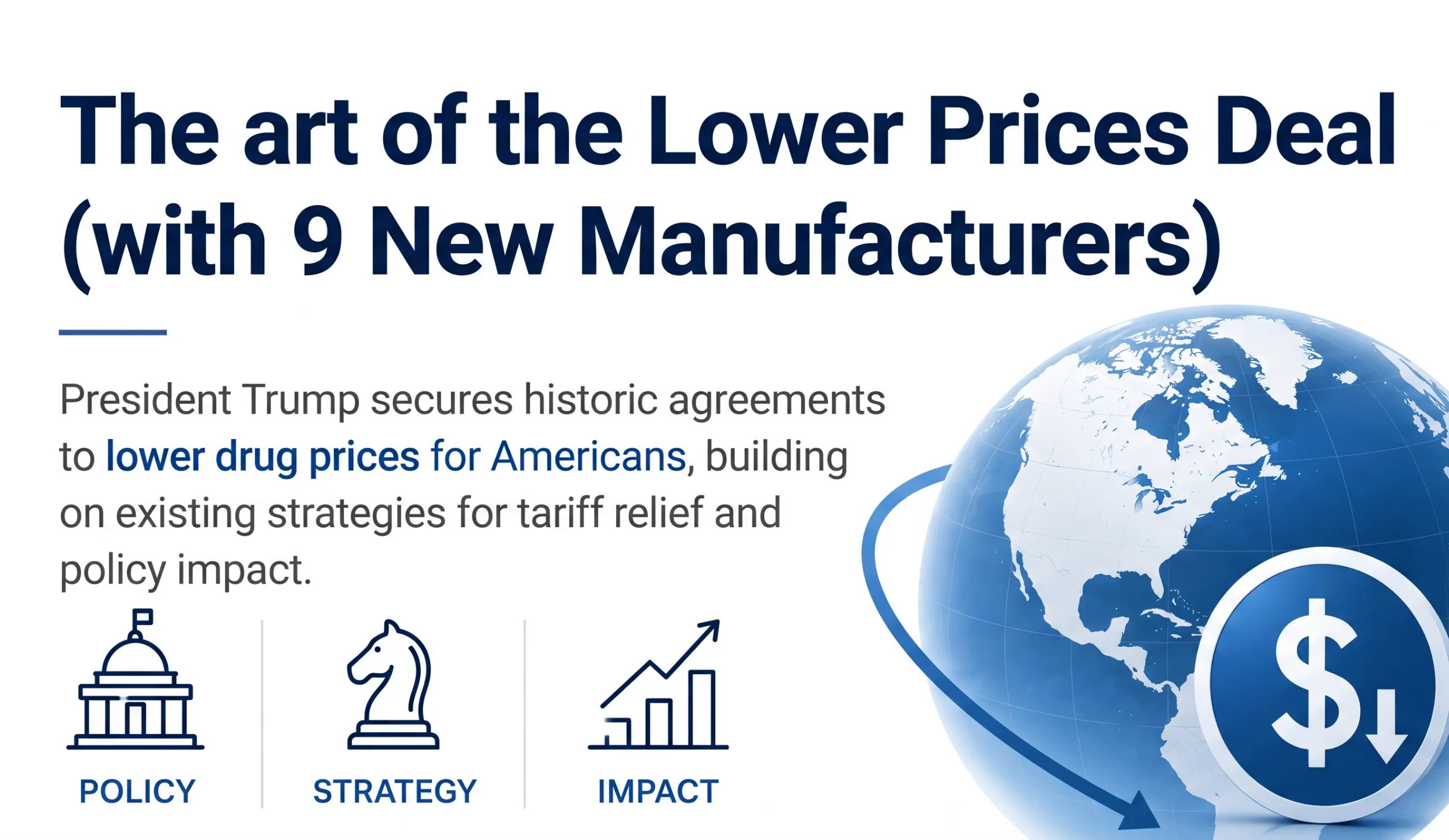
The useful information is who is absent. The mid-sized biotech coalition formed to contest MFN has no member among the nine signatories.

The lane determines the timeline, and it is set long before you file. Model the Korean queue, not the approval date.

The census counts publicly registered evidence, so it measures disclosure. Without a non-AI comparator it cannot show this is an AI problem.

Three parties, three functions, and Biocon holds only the middle one. Treat the caretaker MAH structure as the Japanese default, not the exception.

The label says diabetes. The clinical argument is type 1. Coverage conversations start from 2.1 million people, not 40.1 million.
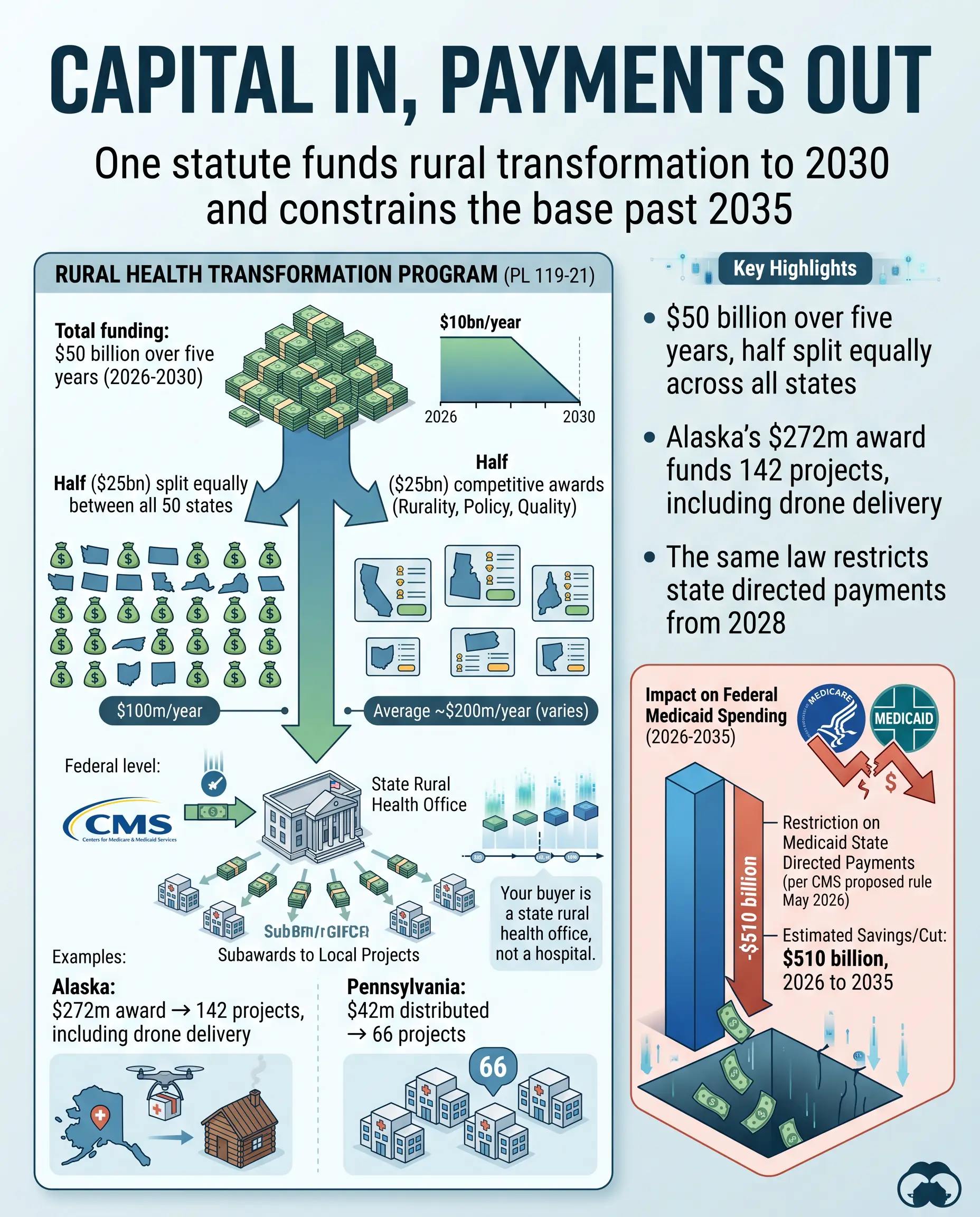
Half the pot is split equally, so award size is a weak proxy for market size. Your buyer is a state rural health office, not a hospital.