Novo Paid $300 Million Upfront for a Weekly GLP-1/GIP Pill That Has Not Yet Entered Phase 1
Novo paid a clean, large upfront for a once-weekly pill whose convenience advantage it cannot yet prove in people.

The daily shorts. One story, one insight.
Novo paid a clean, large upfront for a once-weekly pill whose convenience advantage it cannot yet prove in people.
AstraZeneca bought access to ivonescimab, not rights, and paid a premium to sit next to the drug that beat Imfinzi.
The label reaches frontline CLL, but against a modern BTK inhibitor the evidence so far is a response rate.
AbbVie now has to name a price for Juvmo into a benchmark that ICER set before the drug was even approved.
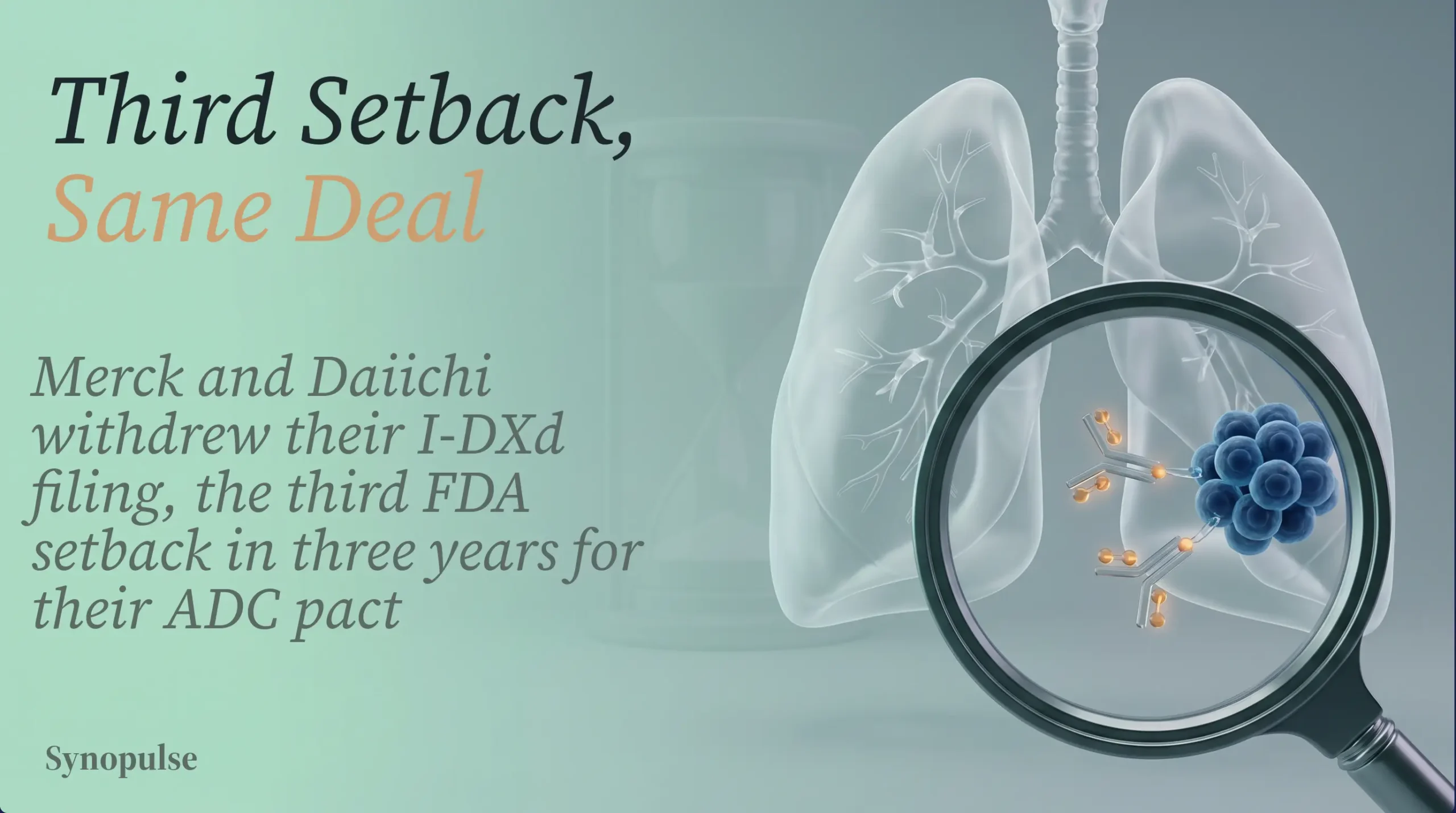
The $4bn deal’s first return keeps slipping toward 2028, the year Keytruda begins to lose protection.
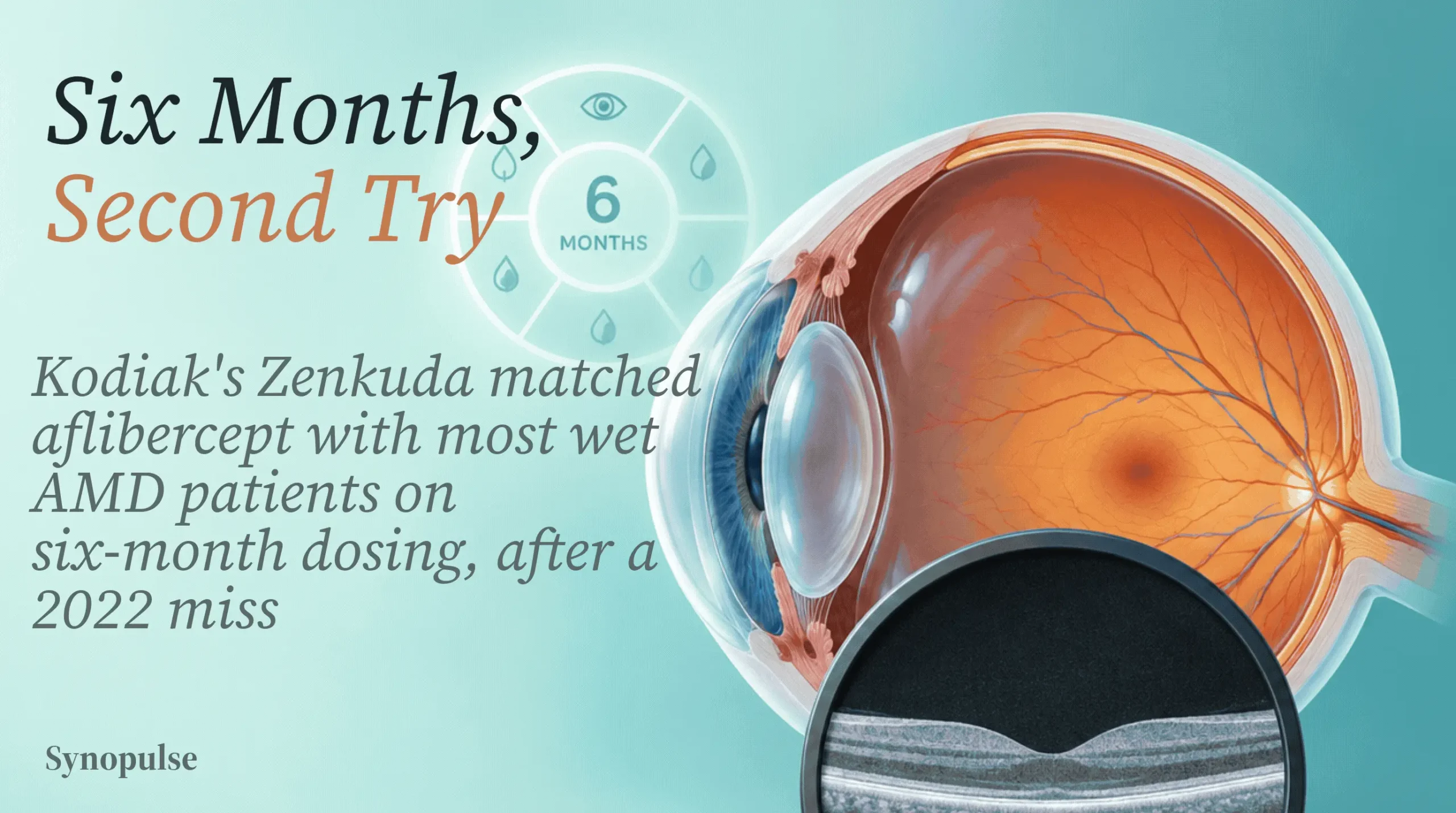
The molecule that failed on long intervals in 2022 now holds vision with most patients on six-month dosing.
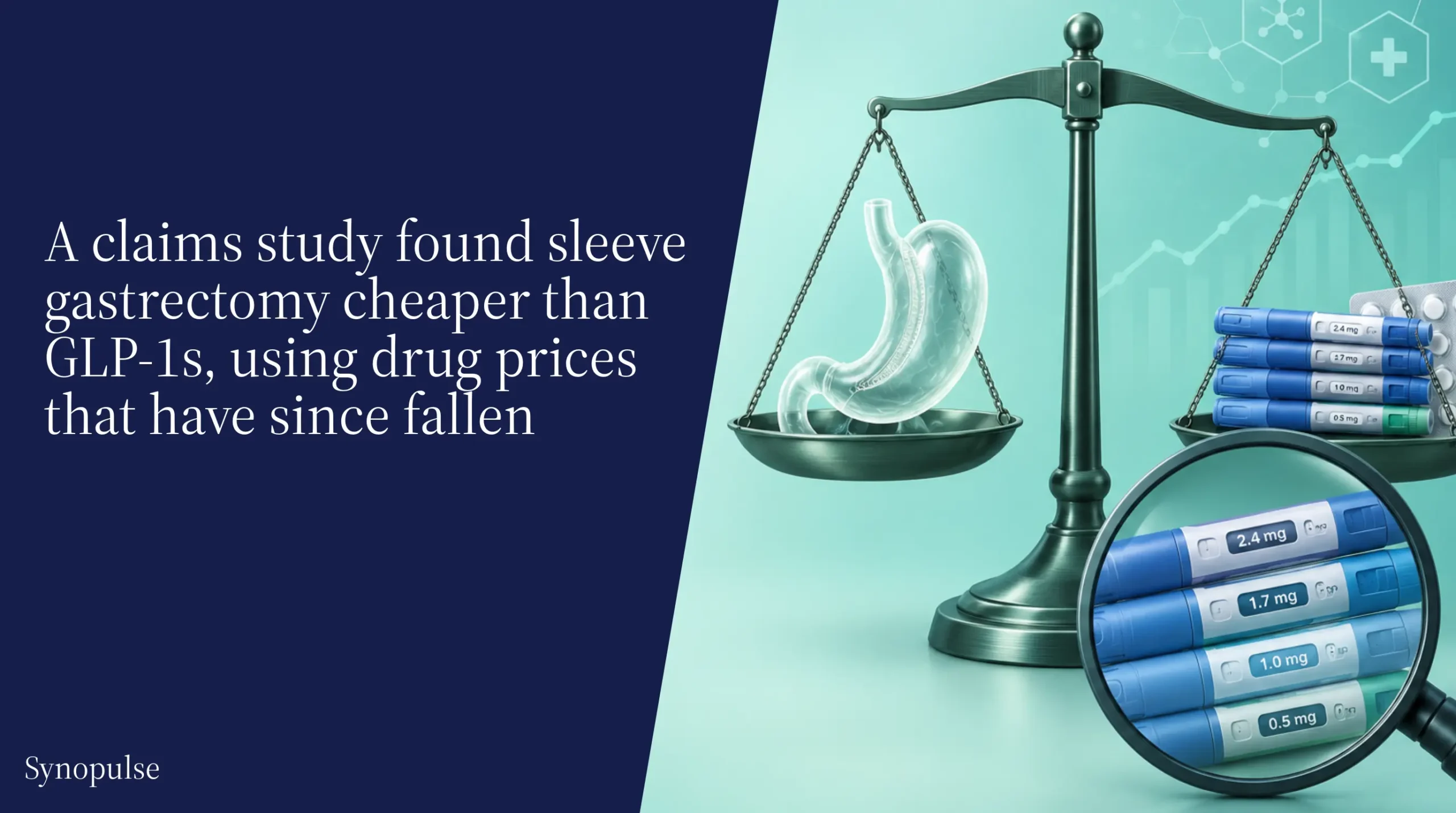
The cost gap rests on drug prices that have already moved, in a study whose funder sells surgical systems.
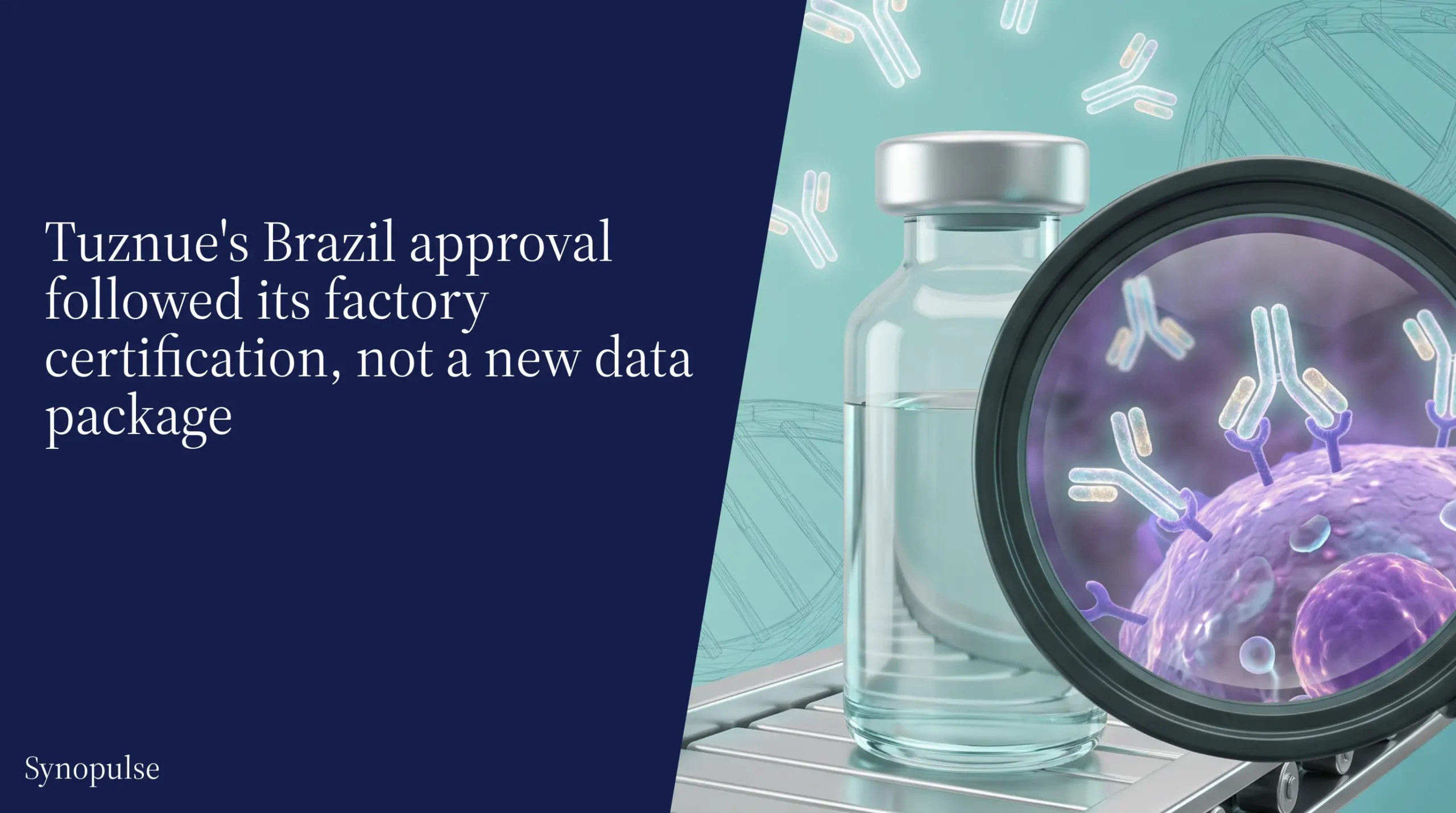
In Brazil the constraint on Prestige’s Herceptin biosimilar was not the dossier. It was the factory inspection.
Merck is buying into KRAS G12D at the start line, well behind the company it reportedly tried to buy in January.
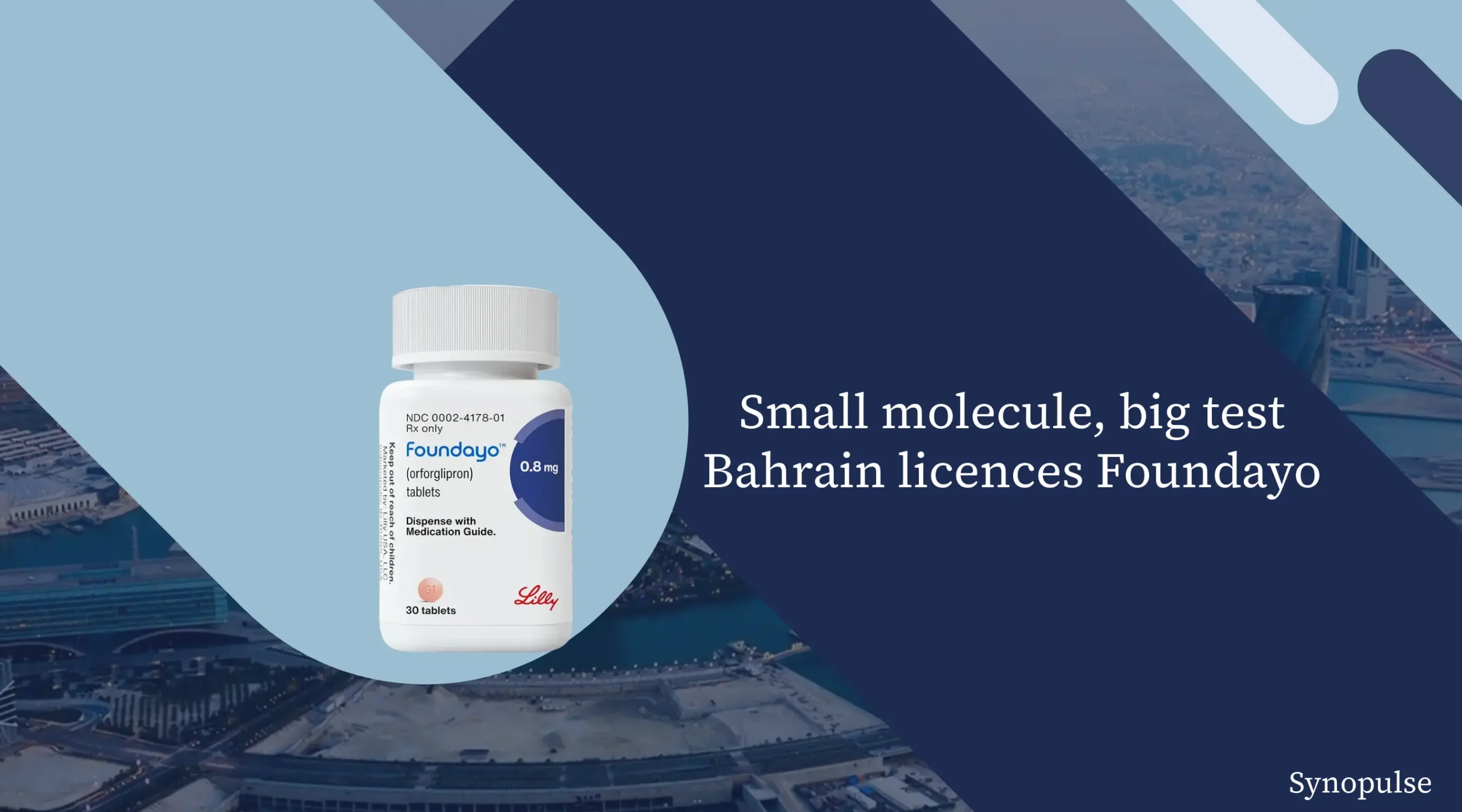
Bahrain is small. The move matters as evidence of the global rollout Lilly argued a small-molecule GLP-1 would allow.