
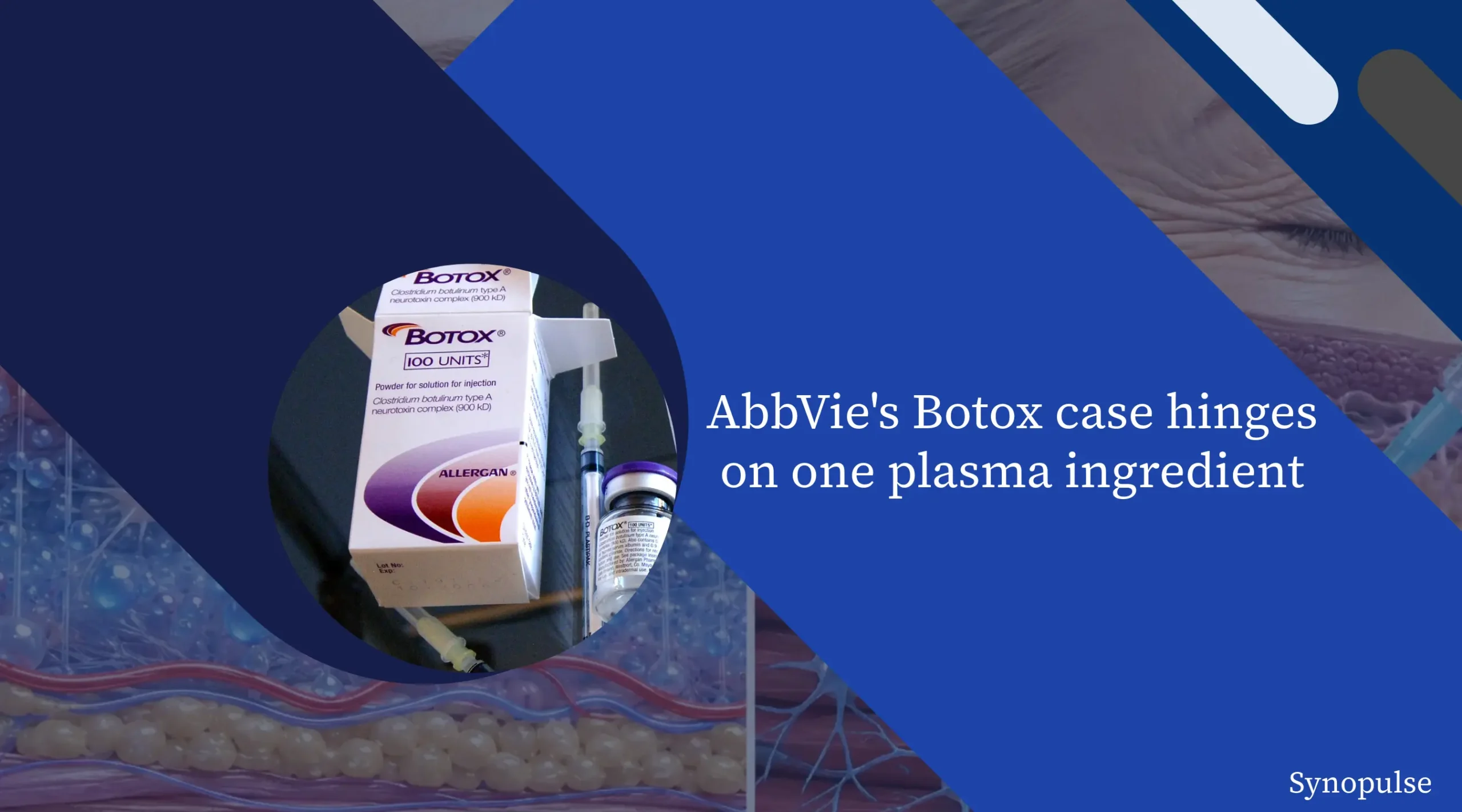
AbbVie Largely Dropped Its Constitutional Case but Still Says Botox Is Plasma-Derived and Exempt
- AbbVie largely backed away from its constitutional challenges to the Medicare Drug Price Negotiation Program in Washington, DC federal court on 25 September 2026, Law360 reported, but maintained that Botox cannot be negotiated because it contains enough human plasma to fall within a statutory exclusion.
- CMS selected Botox and Botox Cosmetic for the third negotiation cycle in January 2026, one of 15 drugs that accounted for $27bn in Medicare spending over a year, with negotiated prices taking effect in 2028.
- AbbVie sued on 11 February 2026, arguing that Botox is a plasma-derived product that the Inflation Reduction Act excludes, and calling it the first case built on one of the law’s express exclusions. The original complaint also raised First and Fifth Amendment claims.
- Medicare spent about $1.14bn on Botox in 2025 across 390,000 patients, according to Patients For Affordable Drugs. The case is before Judge Carl Nichols.
Access read
Constitutional challenges to Medicare negotiation have failed repeatedly. AbbVie is now betting on the definition of its product instead.
- The case is now about one word. By stepping back from constitutional claims courts have rejected, AbbVie has narrowed the case to whether an ingredient derived from human plasma makes Botox a plasma-derived product. If it wins, the exclusion is defined by composition, not by how a product is made or used.
- It fits the week’s pattern. On 22 September MiMedx won a ruling that FDA classified its wound product inconsistently. On 24 September Lilly argued at the Seventh Circuit for biologic status for retatrutide. AbbVie now argues plasma-derived status for Botox. Classification has become a pricing and exclusivity battleground.
- A win would travel. DistilINFO noted that a favourable ruling could prompt other manufacturers to challenge selections on similar grounds. Any biologic formulated with a plasma-derived excipient would have the same argument, which is why CMS is likely to fight this one harder than the constitutional claims.