
A Custom ALS Drug Took Three Years to Build and One Year to Normalise One Man’s Neurofilament
A single-patient report in Med, published in the week of 18 September 2026, by Margot Cousin, Björn Oskarsson and colleagues at Mayo Clinic working with the n-Lorem Foundation. The patient is a man with amyotrophic lateral sclerosis caused by the R15L variant in CHCHD10. n-Lorem designed more than 320 antisense oligonucleotides against the gene and selected a lead on specificity and safety. He received it intrathecally under a single-participant protocol at Mayo Clinic in Jacksonville, registered as NCT06392126: three 50 mg doses, then three 75 mg doses, between April 2024 and April 2025. The team tracked plasma neurofilament light, functional rating, breathing and cognition.
- The biomarker normalised. A year after the first dose, plasma neurofilament light, a protein released by damaged neurons and used to track ALS progression, had fallen into the normal reference range.
- Function improved or held. Scores on a test covering motor skills, breathing and neurological function improved, while separate breathing and cognitive scores stayed stable. He continued to work as a physician a year after treatment began.
- No serious adverse effects were reported across 6 intrathecal doses, and he showed no signs of the cognitive decline common in ALS.
- Development took about 3 years from target to patient, according to Oskarsson, against at least a decade for antisense drugs aimed at more common ALS mutations. CHCHD10 variants are found in fewer than 1% of people with inherited ALS.
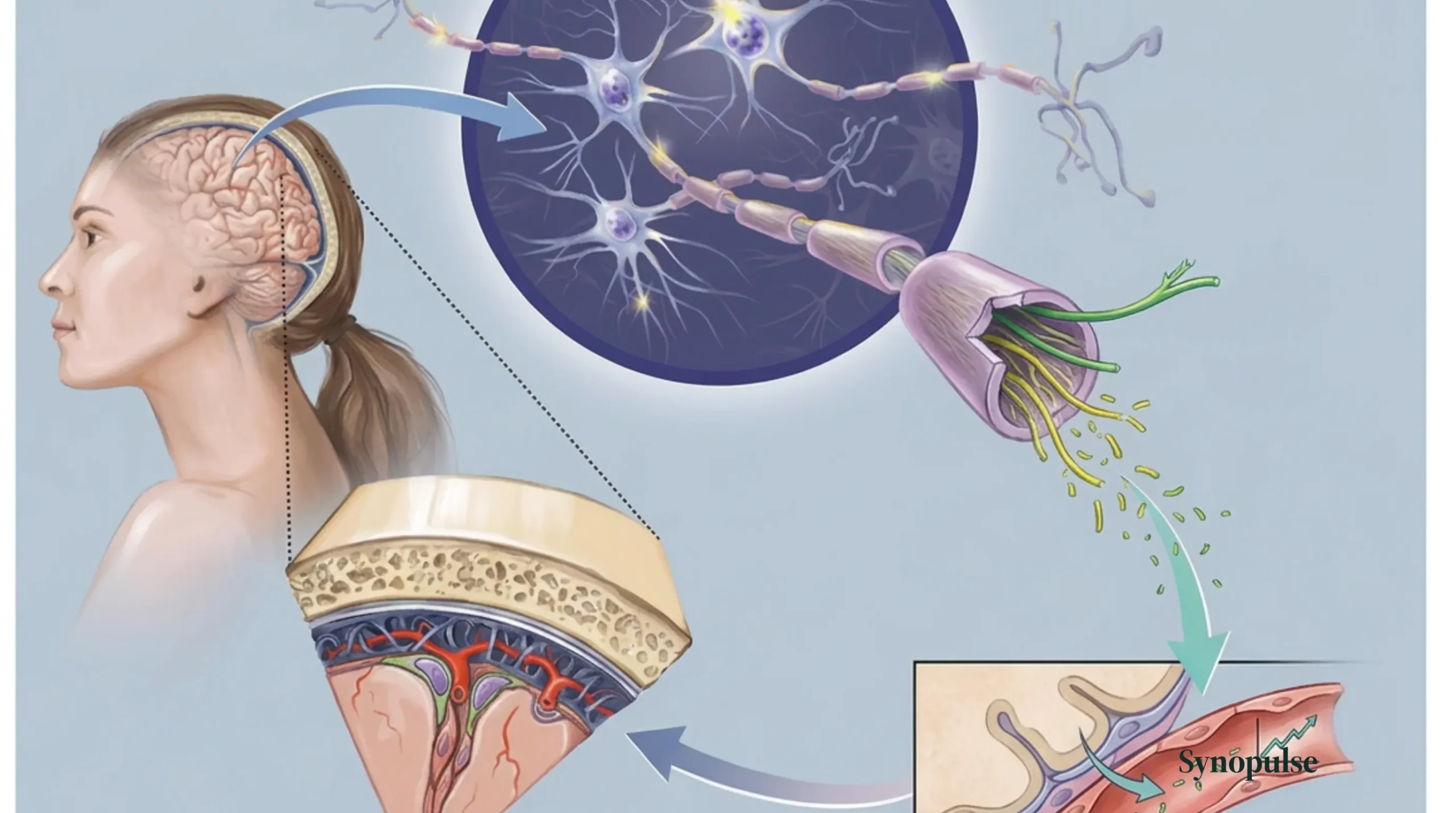
The drug does not alter the gene. An antisense oligonucleotide is a short strand of modified nucleic acid that binds the messenger RNA made from CHCHD10 and reduces how much protein is produced from it. CHCHD10 encodes a protein that keeps mitochondria working, and the pathogenic variant is thought to drive a build-up that contributes to motor neuron death. The endpoint carrying most of the weight here has regulatory history. Neurofilament lowering was the basis on which the FDA granted accelerated approval to tofersen in SOD1-ALS in April 2023, as a change likely to predict clinical benefit. A normalised neurofilament is therefore more than an anecdote, but it remains a surrogate measured in one person.