
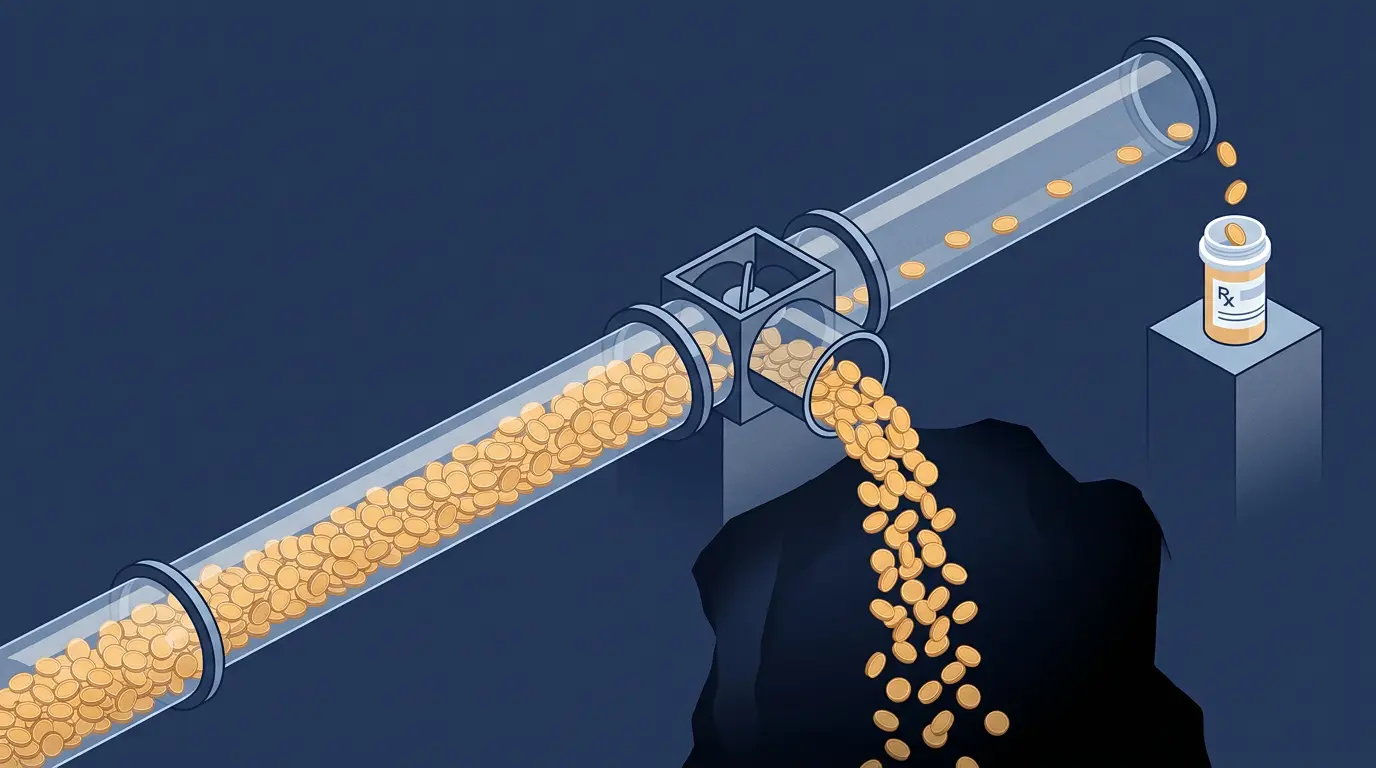
The Federal Trade Commission announced on 14 July that it has settled with Caremark, the CVS Health-owned pharmacy benefit manager, resolving its antitrust case over insulin pricing. It’s the second of the big three PBMs to settle; Express Scripts folded in February, leaving Optum as the last one standing.
The money attached is substantial. The FTC says the agreement locks in up to $8.5 billion in consumer savings over the next decade, and unlocks a further $4.5 billion over the same period through point-of-sale rebates. Call it $13 billion, with the usual caveat that “up to” is doing real work in both numbers.
But the mechanics matter more than the headline figure, and to understand them you have to understand what the FTC accused these companies of doing in the first place.
The agency sued Caremark, Express Scripts and Optum back in September 2024, alleging the three had built a system that quietly rewarded high list prices. The claim went like this: PBMs decide which drugs get preferred placement on formularies, and they were awarding that placement based on the size of the rebate a manufacturer offered off the list price, not the actual net price the plan ended up paying. Insulin makers, competing for those slots, had an obvious incentive. Push the list price up, offer a bigger rebate off it, win the placement.
The PBMs, per the complaint, kept some or all of those inflated rebates, plus manufacturer fees that were themselves calculated as a percentage of list price. So the higher the sticker, the bigger the take.
The people who got hurt were the ones whose costs are pegged to the sticker. Copays and coinsurance are calculated off list price, so a patient in a deductible phase, often the least able to absorb it, paid the inflated number while the rebate flowed elsewhere. The FTC’s framing was blunt: the cost of artificially high insulin list prices landed on vulnerable patients.
The fix in the consent order goes at that incentive directly. Caremark has to delink the fees it and its group purchasing organization collect from manufacturers from list prices, which removes the reason to prefer a high sticker. It has to stop discriminating against low-list-price versions of drugs on its standard formularies a real problem, since manufacturers who launched cheaper alternatives often found them shut out. And it has to offer plan sponsors an option where rebates pass through to members at the pharmacy counter, so out-of-pocket costs track the contracted rate minus rebates rather than the inflated list price.
There’s more. Caremark must offer plan sponsors a route off rebate guarantees and spread pricing, improve transparency for those sponsors, include certain terms for retail community pharmacies — which get the chance to move to cost-plus reimbursement and keep its GPO operations in the US. It also has to maintain affordability programs capping members’ out-of-pocket costs on insulin, and extend those benefits to all members when a plan sponsor adopts a covered formulary, unless the sponsor opts out in writing.
The other half of the settlement has nothing to do with insulin. The FTC also went after Caremark’s treatment of hub pharmacy services digital platforms that handle prior authorisations, surface a patient’s cheapest out-of-pocket option, connect people to financial assistance, deliver medication and chase refills. The agency’s concern, echoed in a House Judiciary Committee interim staff report from January titled “When CVS Writes the Rules,” was that Caremark had been getting in the way of pharmacies that wanted to use them. The order bars that interference, and notably installs a monitor to field complaints and review what Caremark does to pharmacies working with hubs.
The terms closely track what Express Scripts agreed to in February. The Optum case, meanwhile, has been pulled from adjudication while the Commission weighs a proposed consent agreement of its own.
Related news
EU Greenlights Landmark Pharma Package, Overhauling Drug Rules for the First Time in 20 Years
A few things worth keeping in view. This is the FTC’s account of a case it settled, not a court’s finding that the allegations were never tested to judgment, and Caremark’s side isn’t represented in the announcement. The Commission vote to accept the agreement for public comment was 1-0-1, with Commissioner Meador recused, and the public has 30 days to weigh in before anything is finalised. Chairman Andrew Ferguson framed the outcome as a win for the administration’s healthcare agenda, tying it to TrumpRx; the order itself contains a provision that would count patient payments on TrumpRx toward deductibles and out-of-pocket maximums, though only if certain legislative and regulatory changes come to pass.