
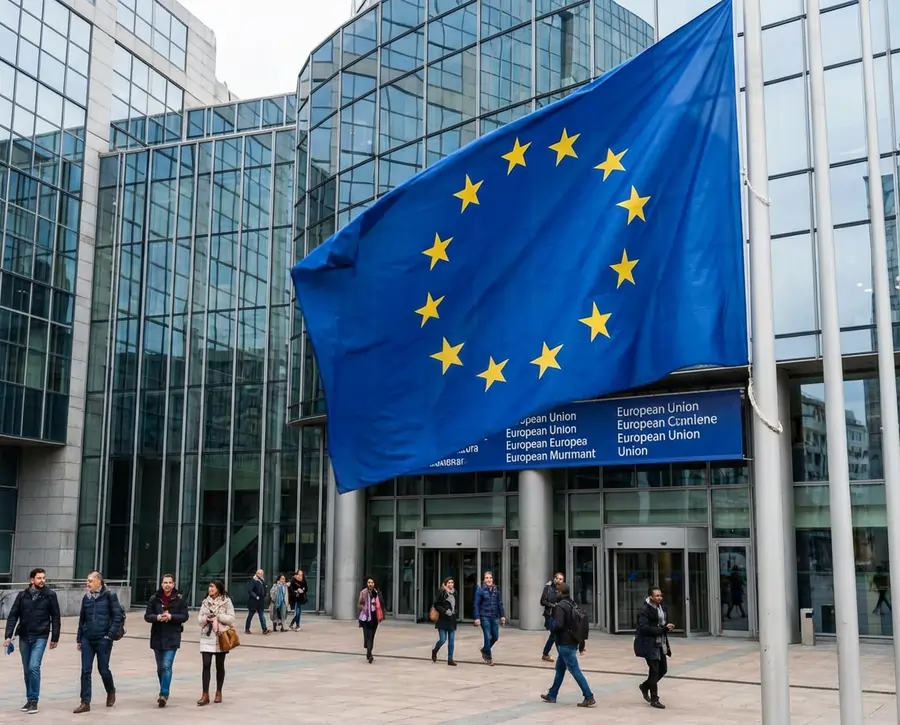
The European Union has reached a sweeping political agreement on its long-awaited Pharma Package, clearing the path for the most consequential overhaul of EU pharmaceutical legislation in twenty years. The deal, struck between the European Council and the European Parliament, is designed to expand access to affordable medicines, reinforce supply resilience, and sharpen the region’s competitiveness after years of trailing global peers.
For Brussels, the agreement is a strategic recalibration, modernising a regulatory framework that many industry leaders have said no longer reflects the pace of scientific change or the evolving pressures of global supply chains. The package promises faster access to innovative therapies and more reliable availability of essential medicines.
Danish Health Minister Sophie Løhde, who led negotiations for the Council, said the agreement demonstrates the EU’s commitment to balancing innovation and access. “We are strengthening incentives for priority antibiotics, reducing red tape for the life science industry, and safeguarding the availability of essential medicines,” she said, calling the outcome “a crucial step toward a more resilient and dynamic life-science sector in Europe.”
One of the most closely watched points of reform was regulatory data protection. The final agreement preserves eight years of data protection for new medicines, a baseline that originators feared could be reduced during early negotiations. The deal also maintains one year of market protection and allows for a one-year extension if companies meet at least two out of three criteria tied to unmet need, comparative benefit, or launch across all member states.
This outcome was widely welcomed by innovators. Catherine Drew, pharmaceuticals regulation partner at Pinsent Masons, said the preservation of eight years delivers “much-needed stability” after months of uncertainty. She noted that early drafts suggesting shorter terms triggered concerns about Europe’s ability to attract investment relative to the U.S. and Asia.
A central pillar of the package is the introduction and retention of Article 56a, a new provision allowing member states to require pharmaceutical companies to supply medicines covered by regulatory protection in quantities sufficient to meet national patient needs. The measure is aimed at reducing the chronic shortages experienced in several therapeutic areas during recent years.
To prevent distortions or unintended consequences, lawmakers added safeguards to ensure Article 56a cannot be used to facilitate parallel trade, which has been a point of sensitivity for member states with large re-export markets
The package modernizes the Bolar exemption, clarifying that generics manufacturers can conduct all necessary studies, trials, and regulatory preparations ahead of patent expiry, including submissions for procurement tenders. The change is designed to ensure generics and biosimilars can enter the market immediately on day one post-expiry, improving patient access to lower-cost options and reducing burden on national budgets.
Generics makers have long argued that ambiguity around tender submissions caused launch delays and created uncertainty across the supply chain.
In one of the package’s most debated elements, lawmakers approved the creation of a transferable exclusivity voucher to incentivize the development of priority antibiotics needed to combat antimicrobial resistance. A company developing a qualifying AMR therapy will earn a voucher that can be applied to extend market protection by one year for another product.
To protect healthcare budgets, the final text includes the Council’s “blockbuster clause,” which prohibits vouchers from being applied to medicines that generate more than €490 million in annual gross sales over the preceding four years.
The clause aims to strike a balance between stimulating antibiotic innovation and preventing windfall exclusivity extensions on high-revenue blockbusters.
For media inquiries or to share perspectives on access and evidence policy, email editor@synopulse.com.
